
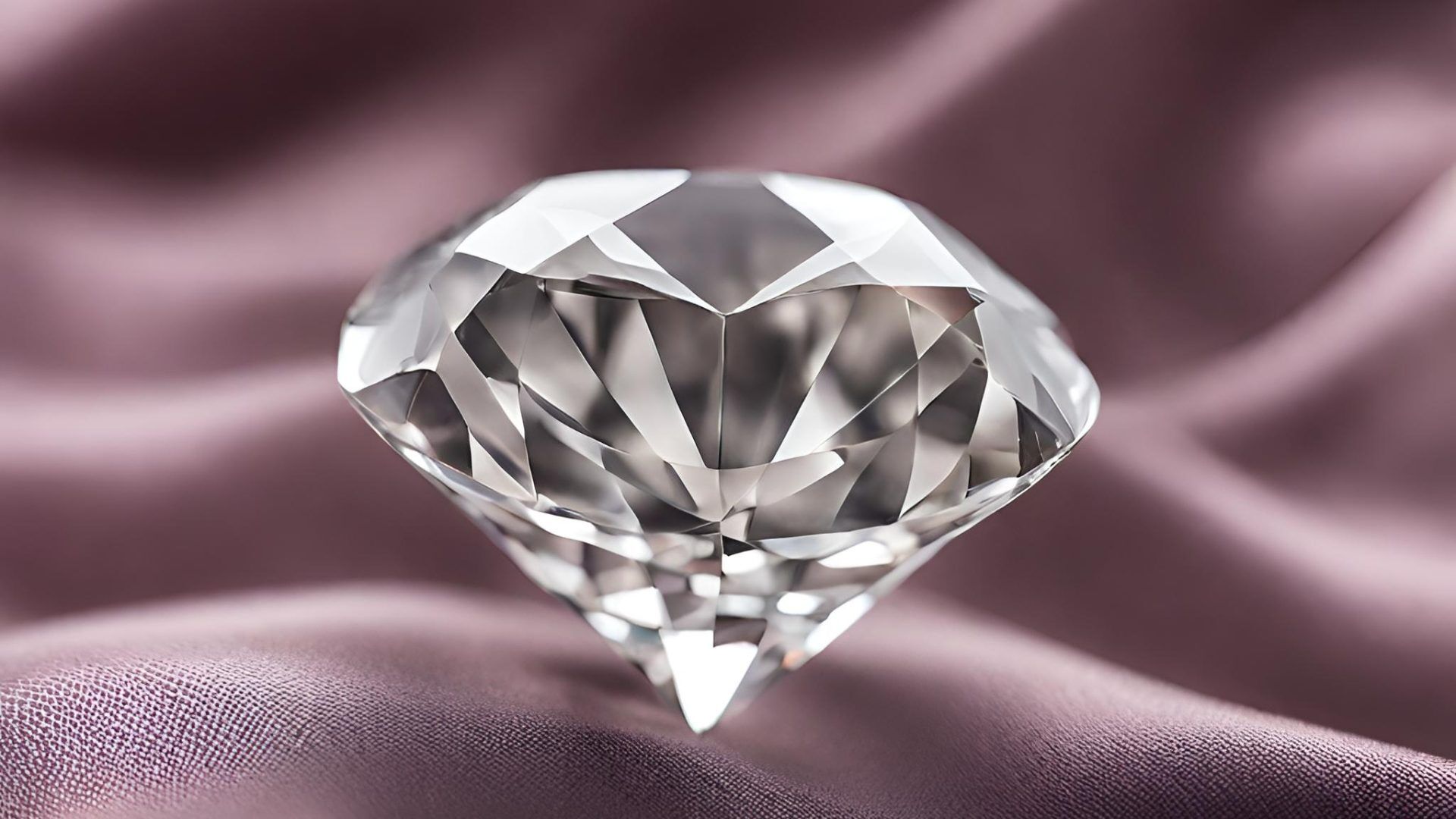
In recent years, lab-grown diamonds have become a popular alternative to mined diamonds due to their ethical and environmental advantages. Among these lab-grown diamonds, HPHT and CVD diamonds are two of the most well-known types. While both are created in controlled environments, the processes and resulting characteristics differ significantly. In this article, we will explore the key differences between HPHT vs CVD diamonds, helping you understand which might be the best choice for you.
Table of Contents
What Are HPHT Diamonds?
HPHT (High Pressure High Temperature) diamonds are created using a process that mimics the natural conditions under which diamonds form deep within the Earth’s mantle. In this process, carbon is subjected to high pressure and high temperature, which allows it to crystallize into diamond form. HPHT diamonds have been around for decades and were initially developed for industrial purposes. However, advancements in technology have enabled the production of gem-quality HPHT diamonds.
The HPHT process involves placing a small diamond seed in a chamber filled with carbon and applying extreme pressure and heat. The carbon atoms then bond together, forming a diamond around the seed. HPHT diamonds tend to have a slightly different crystal structure than natural diamonds, but they are chemically and physically identical to mined diamonds.
What Are CVD Diamonds?
CVD (Chemical Vapor Deposition) diamonds, on the other hand, are produced using a completely different method. In the CVD process, a carbon-rich gas, such as methane, is heated until it breaks down into carbon atoms. These atoms then settle onto a diamond seed, gradually building up and forming a diamond crystal layer by layer. CVD diamonds are relatively newer to the market compared to HPHT diamonds, but they have quickly gained popularity due to their unique properties and eco-friendly production process.
The CVD process takes place in a vacuum chamber, where the temperature is carefully controlled to encourage the growth of diamond crystals. CVD diamonds tend to have fewer inclusions compared to HPHT diamonds, making them a popular choice for those looking for high-clarity diamonds.
Key Differences Between HPHT and CVD Diamonds
While both HPHT and CVD diamonds are lab-grown, they differ in several key aspects, including their creation process, appearance, and properties. Understanding these differences can help you choose the right type of diamond for your needs.
The first and most obvious difference between HPHT vs CVD diamonds is the method of production. HPHT diamonds are created through high pressure and high temperature, while CVD diamonds are produced using a chemical vapor deposition method. These different techniques result in slight variations in the diamond’s appearance and characteristics. For instance, HPHT diamonds tend to have more color variation, with some stones showing hints of yellow or brown, while CVD diamonds tend to have a more consistent color throughout.
Another difference between HPHT vs CVD diamonds is their crystal structure. HPHT diamonds often have a cubic crystal structure, which is similar to that of natural diamonds. CVD diamonds, on the other hand, typically have a hexagonal crystal structure, which can make them slightly less brilliant than HPHT diamonds. However, advances in CVD technology have led to improvements in the overall appearance and quality of CVD diamonds.
Durability and Quality: HPHT vs CVD Diamonds
When it comes to durability, both HPHT and CVD diamonds are virtually identical to mined diamonds. They are both made of pure carbon and share the same hardness, which is a 10 on the Mohs scale. This means that both HPHT and CVD diamonds are incredibly durable and resistant to scratches and damage, making them ideal for everyday wear.
In terms of quality, both HPHT vs CVD diamonds can achieve high clarity and color grades. However, CVD diamonds are often considered to be of slightly higher quality due to the fewer inclusions they typically contain. The CVD process allows for a cleaner growth environment, which reduces the likelihood of internal flaws. HPHT diamonds, while still high-quality, may have more inclusions or slight color variations due to the high-pressure conditions under which they are created.
Price Comparison: HPHT vs CVD Diamonds
Price is a significant factor when choosing between HPHT vs CVD diamonds. Generally, CVD diamonds are more affordable than HPHT diamonds, even though both types are typically less expensive than their mined counterparts. The cost difference arises from the production process. The HPHT method requires extremely high pressure and temperature, which can make it more costly to produce, especially for larger diamonds.
CVD diamonds, on the other hand, are typically less expensive because the production process is more controlled and requires fewer resources. Additionally, CVD diamonds tend to be more consistent in terms of quality, which makes them easier to produce in large quantities, reducing their overall cost. For those on a budget, CVD diamonds offer a more cost-effective alternative without sacrificing the beauty and durability of a traditional diamond.
HPHT vs CVD Diamonds for Engagement Rings
When it comes to selecting a lab-grown diamond for an engagement ring, both HPHT and CVD diamonds are excellent choices. The decision largely depends on personal preference and budget. HPHT diamonds, with their more traditional cubic crystal structure and natural appearance, are ideal for those who want a diamond that closely resembles a mined stone. The slight color variations in HPHT diamonds can add to their charm, giving them a unique and vintage-like appeal.
On the other hand, CVD diamonds are often favored by those looking for a more consistent, high-clarity stone. Their hexagonal crystal structure can make them slightly less brilliant than HPHT diamonds, but they offer a clean, modern look that many consumers appreciate. Additionally, the lower cost of CVD diamonds can make them a more affordable option for engagement rings, especially for those who want a larger stone without the high price tag.
The Ethical Considerations of HPHT vs CVD Diamonds
Both HPHT and CVD diamonds are considered ethical alternatives to mined diamonds because they are lab-grown, which means they do not involve the environmental and human rights issues associated with diamond mining. Lab grown diamonds, regardless of the production method, offer a sustainable and responsible choice for consumers who want to avoid contributing to the negative impacts of the diamond mining industry.
The choice between HPHT vs CVD diamonds comes down to personal preference and the type of diamond that best suits your needs. Whether you choose an HPHT or CVD diamond, you can be confident that you are making a responsible and ethical decision, with no compromise on quality or beauty.
Conclusion
The debate between HPHT vs CVD diamonds ultimately comes down to the process of creation and the resulting characteristics of the diamond. HPHT diamonds tend to have more natural, vintage-like color variations and a cubic crystal structure, while CVD diamonds offer a cleaner, more consistent look with fewer inclusions. Both types are durable, beautiful, and ethical alternatives to mined diamonds, making them great options for those looking for an environmentally friendly choice.
Understanding the differences between HPHT vs CVD diamonds will help you make an informed decision when choosing the perfect lab-grown diamond. Whether you are purchasing an engagement ring or another piece of fine jewelry, both HPHT and CVD diamonds provide a brilliant, ethical, and cost-effective option to suit your style and budget.


